
My Breasts are Not Verbs

Written By: Brittany Capozzi (“BellaBianca”)
At my annual physical, I anticipated the ‘c’ word coming up—another year of checking
‘cholesterol,’ but when I heard the words “Mass in your breast” the ‘c’ word changed. As I
waited for almost 2 months to find out that I had multiple cysts, I realized that most of us only
think of breasts as verbs: to nurse; to treat or; to attract. Nurturing and taking care of health
issues are essential, and we also must learn how to see them when they’re not being called to
action. I was determined to find more meaning behind ‘Breast health,’ than just being paired
with something unhealthy. Since researching the lymphatic system, I’ve chosen to pair breast
health with rhythmic movement.

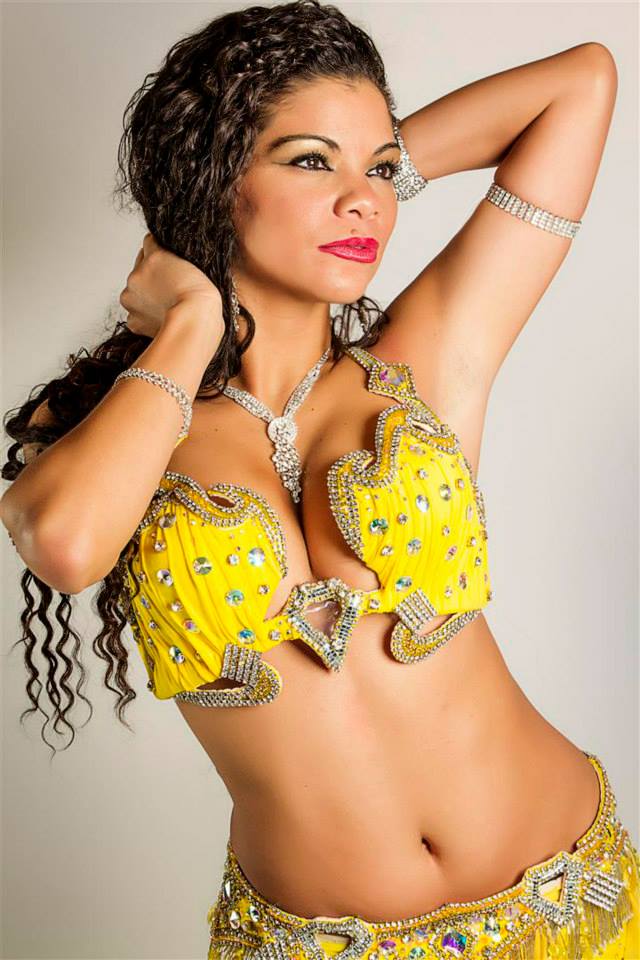
As a belly dancer, talking about not using the chest to attract attention may sound hypocritical,
but as with any other performer, an isolated movement is part of a bigger expression, not an
invitation to the body. There are health benefits to ‘dancing’ the chest. When lifting, dropping,
and shimmying the thoracic area, I’m moving the lymphatic fluid closer to the heart, which is
part of keeping it healthy.

The lymphatic system is part of the immune system that doesn’t have a pump, so contracting and
releasing muscles (this includes breathing) can break up stagnation of waste in lymph nodes.
Waste includes bacteria and viruses that enter through airways, skin, and nails. The waste moves
to the blood circulation and then the kidneys and liver eliminate it.

At the opposite end of contracting muscles is shimmying, which is loose movement that asks the
chest to be at ease and ease builds strength in the tissues. When we aren’t tensing or pushing
ourselves, we can feel our true range of motion without discomfort. This can be empowering,
especially for those with tissue damage from recent breast issues. Another way to work with ease
is to practice breath exercises. When I teach therapeutic yoga, I invite my clients to feel around
the sides and back of the ribcage for breath movement. Some choose to bring a hand to the mid-
belly. Finding the rhythm of breath is an exercise itself. There are lymph nodes around all of
these areas, so massaging the ribcage or belly can be just as beneficial as moving our limbs.
Small gestures, just like moving with ease, can make a big difference to the strength of our
health.

I talk a lot about moving only through ease when teaching clients. I also notice patterns. To
notice patterns of others, I need to be cognizant of my own. When I learned about more cysts
being in my right breast than the left, I immediately noticed a correlation between internal
hardness and external hardness. Because I have cerebral palsy on my right side from a neonatal
stroke, my arm isn’t very fluid and habitually creates hard movements. It makes sense to me that
lack of movement, especially around the right armpit, may contribute to limited lymph flow here.
I also stuff books, yoga tools, and bags in the nook of my right pit and ribcage, and lean against
the couch because weight helps to relax my right muscles. These mental images of pushing my
body too much could’ve added together to create an image of a 5.5-centimeter cyst—the mass
my doctor felt.

Another correlation I noticed was that I had been much more sedentary that winter. I didn’t
dance, walk, or practice yoga nearly as much as I typically do. It’s important to note that these
correlations do not mean I’m diagnosing myself or anyone else. I don’t diagnose. I’m not finding
“causations.” I am also not advising against going to a healthcare provider for more information
about the body.

I make sure to have a daily routine for breast health. Routine is rhythm. One of the first things I
do is wake up my muscles in the morning through dance. This is followed by either rowing or a
yoga practice. I visit different belly breath exercises throughout the day. At the end of day, I oil
or cream my skin. As I massage the softness into my tissues, I flex and extend arms, ankles, and
legs, bookending the day with slow belly dancing. By being present for our breath, pumping and
massaging isolated parts of the body, breast health is not only rhythmic, but also whole-body
awareness.

What does your rhythm look like?

Resources Used:

Kennedy, Kathy. Yoga for Breast Cancer Related Lymphedema. 2024.
Written By: Brittany Capozzi (“BellaBianca”)
About the author:
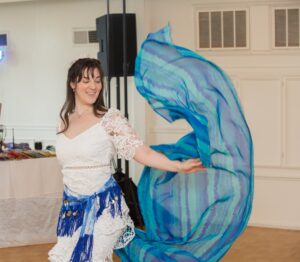
Brittany Capozzi is a writer, teacher, and yoga therapist. She supports women dealing with the effects of trauma through breath, movement, stillness, and self-care writing. She also incorporates belly dance teaching tools into her one-on-one sessions when appropriate. She believes that every woman deserves to express who she is without trauma leading her life. Brittany lives in Massachusetts with her husband and 2 Halloween cats. Reach out to her at Bellacoinforthought@gmail.com or visit her at https://www.understoryyogatherapy.com/
 By,
By, - October 1, 2025
- 1430
- Health & Self Care
- Comments Off on My Breasts are Not Verbs